
Nevada Outspends U.S. Average on Off-Premises Alcohol, Third Nationally in Consumption
Nevada ranks 19th in U.S. per capita off-premises alcohol spending at about $950 per adult, above the national average of $898, with total state spending around $2.35 billion. Heavy tourism drives on-premises consumption in casinos and bars, ranking Nevada 3rd nationally in overall per capita alcohol use.

Competitive 2026 Attorney General Race to Shape Nevada's Legal Future
Highly partisan Nevada AG Ford joined Nevada in multiple lawsuits against Trump Admin. policies on education, illegal immigration, and tariffs, despite Nevada voters supporting Trump in 2024. Term-limited and controversial, he leaves the office open in 2026, pitting Democrats Cannizzaro and Conine against Republicans Guzmán Fralick and Tarkanian. The Attorney General's office profoundly influences state and national trajectories by using taxpayer resources to challenge or support federal policies.

Historic Drug Deals Deliver Relief and Access for Low-Income Nevadans
Fourteen of 17 major pharmaceutical companies have agreed to Trump's Most Favored Nation drug pricing policy, providing existing drugs to Medicaid at the lowest prices paid in other developed nations.
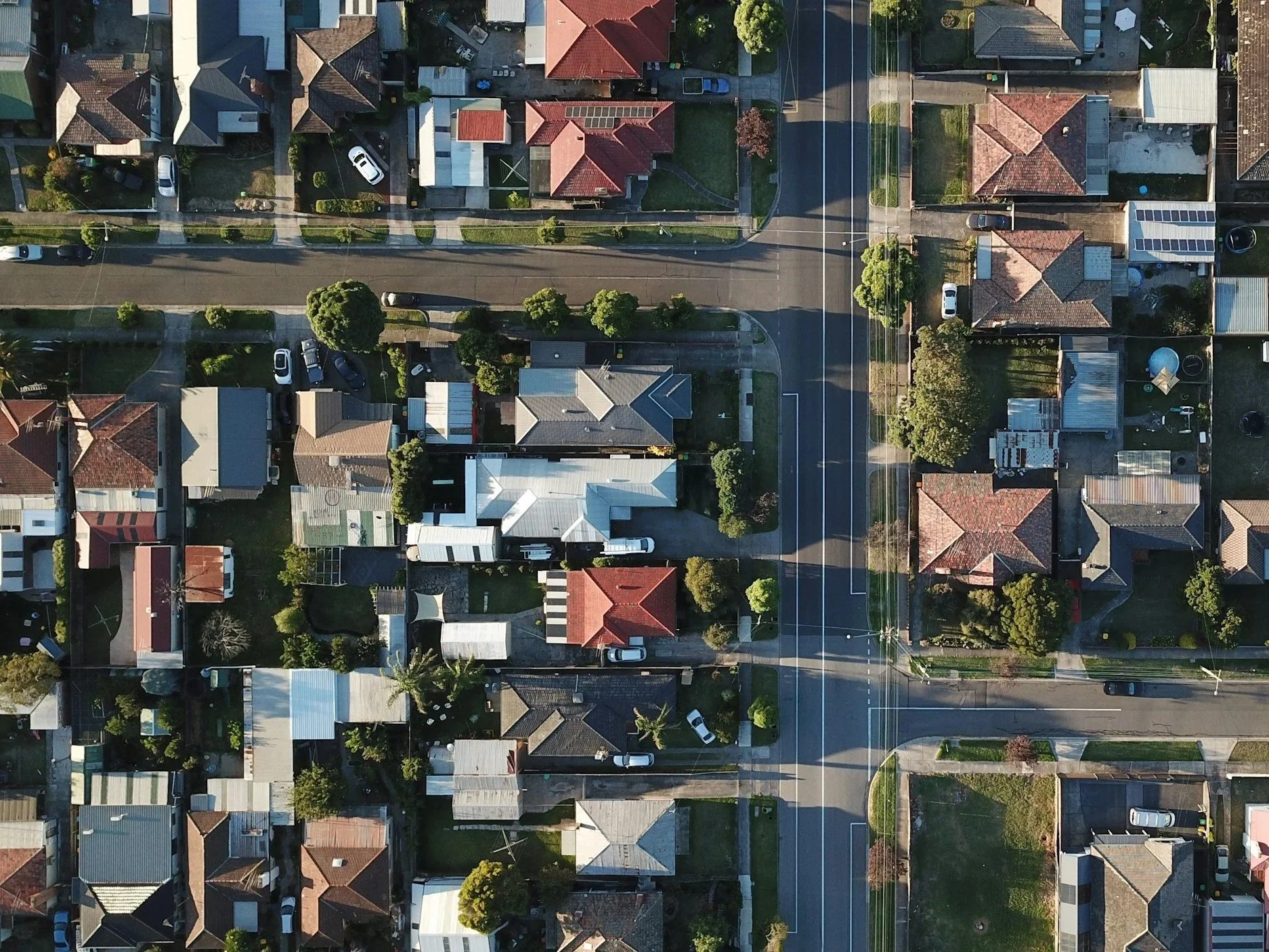
Nevada Homeownership Rate at 61%
Nevada's homeownership rate stands at approximately 61%, below the national average of 65%, driven by affordability challenges, rapid population growth, elevated prices in Las Vegas, and restricted housing supply due to zoning regulations. In contrast, West Virginia leads the nation with a rate exceeding 76%, while California lags at around 56%.

Nevada Strengthens Cybersecurity After Major 2025 Ransomware Attack
A 2025 ransomware attack disrupted Nevada state services across over 60 agencies, including DMV and Medicaid. The state refused ransom, recovering fully in 28 days with 90% data restored. In November, lawmakers unanimously passed AB1, signed by Governor Lombardo, creating a statewide Security Operations Center with 24/7 monitoring, funding, and talent programs. This major escalation from prior incidents reflects national trends, stressing patches, backups, training, and vigilance against identity theft.

Nevada Continues Population Growth in 2025
Nevada continues to be one of the fastest-growing states in the United States, with a 2025 population of about 3.32 million driven primarily by net migration, especially from California, rather than natural increase. Growth is concentrated in urban areas like Las Vegas and Reno, bringing political implications for redistricting, voter demographics, housing affordability, and infrastructure in this key swing state.

Nevada Retirees Face Lower Social Security Amid Rising Costs
Nevada retirees get lower average Social Security benefits due to modest wages in its tourism and service economy. 2024 SSA data shows top states like New Jersey ($2,190/month), New Hampshire ($2,184), and Delaware ($2,171), with many lower states below $1,900 based on earnings and claiming ages. This hits Nevada's growing seniors (16-17% aged 65+), despite near-national living costs, though 2025's 2.5% COLA and Social Security Fairness Act offer relief.

Nevada Ranks in Top 10 for Credit Card Debt in 2025
U.S. credit card debt hit a record $1.21 trillion in 2025, with the average American carrying $6,523 in revolving balances, while Nevada residents average $7,200—placing the state in the top ten nationwide. High-debt regions like Washington D.C., Alaska, and Hawaii benefit from larger credit limits above $32,000, whereas lower-debt states such as Wisconsin and Iowa face more restrictive limits around $19,000–$22,000, highlighting persistent regional economic divides.

Nevada Enters 2025 Holiday Season as Nation’s #3 Retail Leader
Nevada delivered a standout 17.8% jump in 2024 holiday retail sales—third highest in the U.S. and part of four straight years of strong gains—fueled by residents’ unusually strong preference for in-person shopping over online, bucking the national shift to e-commerce seen in most states. While California and Washington lead the nation in digital holiday purchases, Nevada’s brick-and-mortar loyalty keeps malls and the Las Vegas Strip packed and makes the state one of America’s most reliable holiday markets.

Nevada Faces High Healthcare Licensing Fees Ranking Among Highest in U.S. Amid Workforce Shortages
Nevada experiences healthcare workforce shortages in professions such as physicians, nurses, dentists, dental hygienists, and physician assistants, with all counties designated as having some form of Health Professional Shortage Areas. The state imposes high licensure fees, including up to $1,425 for initial physician licensure and $1,500 for dentists, along with biennial renewal fees reaching $750–$800 for physicians, which exceed national averages and those in lower-fee states like Pennsylvania ($35 initial for physicians) and Alabama.

Not a Giver, Not a Taker: Nevada Nearly Breaks Even in Federal Funding Exchange
In fiscal year 2024, the U.S. collected $5.07 trillion in federal taxes, with California contributing the largest total share (15.9%), while Massachusetts, Nebraska, and Minnesota had the highest per capita payments and states like West Virginia and Mississippi the lowest; Nevada ranked in the lower half per person at about $12,500. After comparing all taxes paid to federal spending received, Nevada was nearly in balance with a small positive net of ~$1,500 per resident, placing it roughly in the middle among states—neither a major donor like California, New York, and New Jersey nor a large recipient like Virginia, New Mexico, and Maryland. Nevada’s close-to-even status stems from defense spending at bases like Nellis offsetting moderate tax revenue from tourism and services, making it less federally dependent than about half the country.
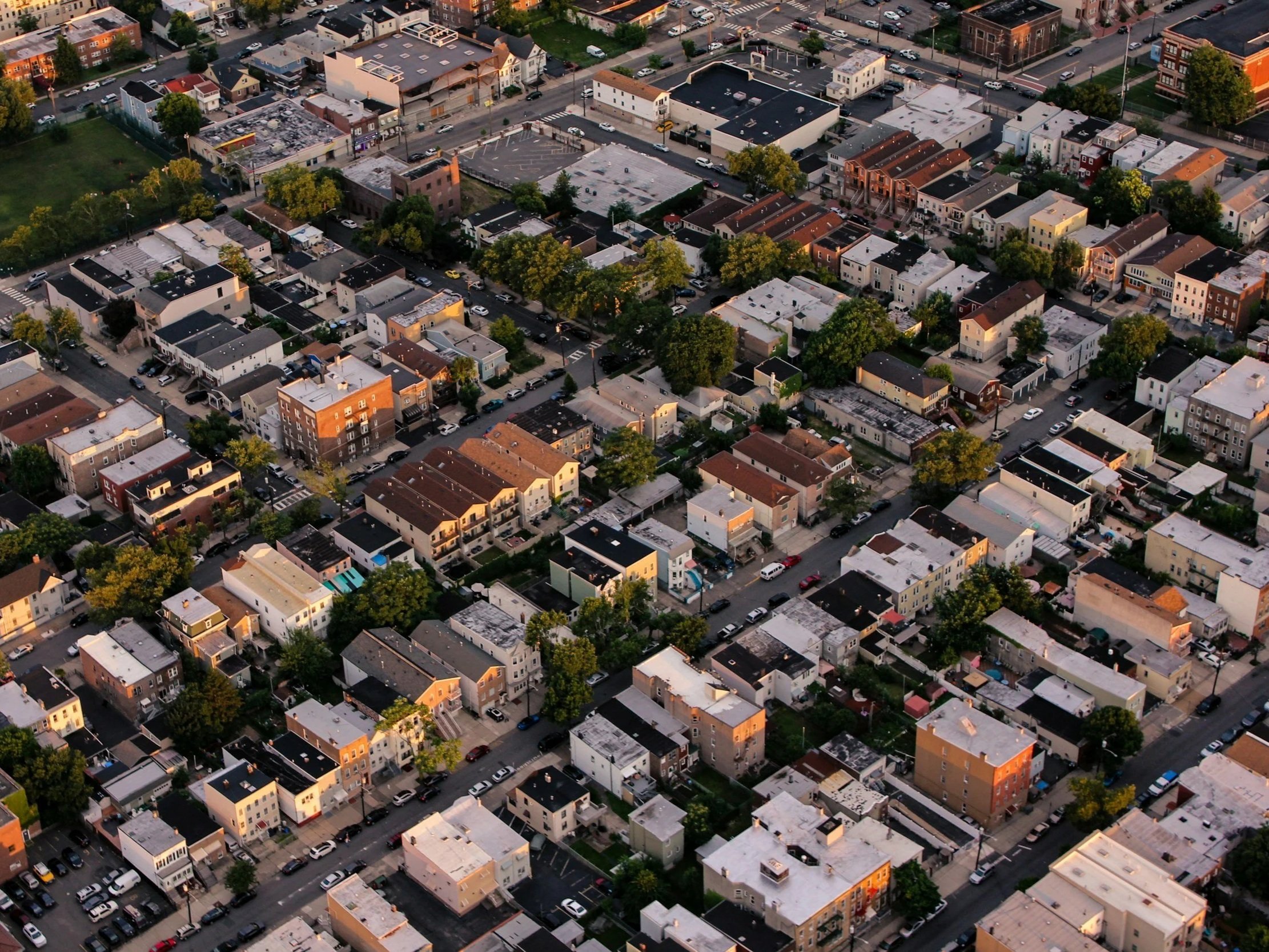
Nevada Cost-Burdened Households Increase by 106K Over 10 Years
In Nevada, 38% of households are cost-burdened, well above the national average of 31%, with over 100,000 more families affected than a decade ago. Renters face the heaviest burden, with 58% spending at least 30% of their income on housing, compared to just 27% of homeowners. Nevada ranks among the least affordable states, and urgent action is needed to increase housing supply, reform zoning, and strengthen renter protections.

Nevada’s Cost of Living: A Balancing Act of Growth and Affordability
Affordability has emerged as a top concern for voters in the 2025 midterm elections. Nevada’s overall cost of living runs slightly above the national average, with expenses pushed higher by housing costs, especially in the Las Vegas and Reno areas. Although healthcare and some other categories remain more affordable than in many states, rapid population growth and the state’s tourism-driven economy continue to put pressure on household budgets, while rural Nevada generally stays closer to or below the U.S. norm. Economic diversification and political shifts, like the $12 minimum wage, add complexity to affordability.

Federal Courts Rule Trump-Appointed Interim U.S. Attorneys Exceeded 120-Day Limit; Nevada’s Office Among Those Affected
Federal courts in multiple districts have held that interim U.S. Attorneys appointed by President Trump, including Sigal Chattah in the District of Nevada, may no longer serve because their 120-day term under the Federal Vacancies Reform Act has expired. The rulings, which reject Justice Department efforts to extend the appointments, mean the affected offices—including Nevada’s, which oversees more than 1,000 federal cases annually—are now led by career deputy U.S. Attorneys pending appeals
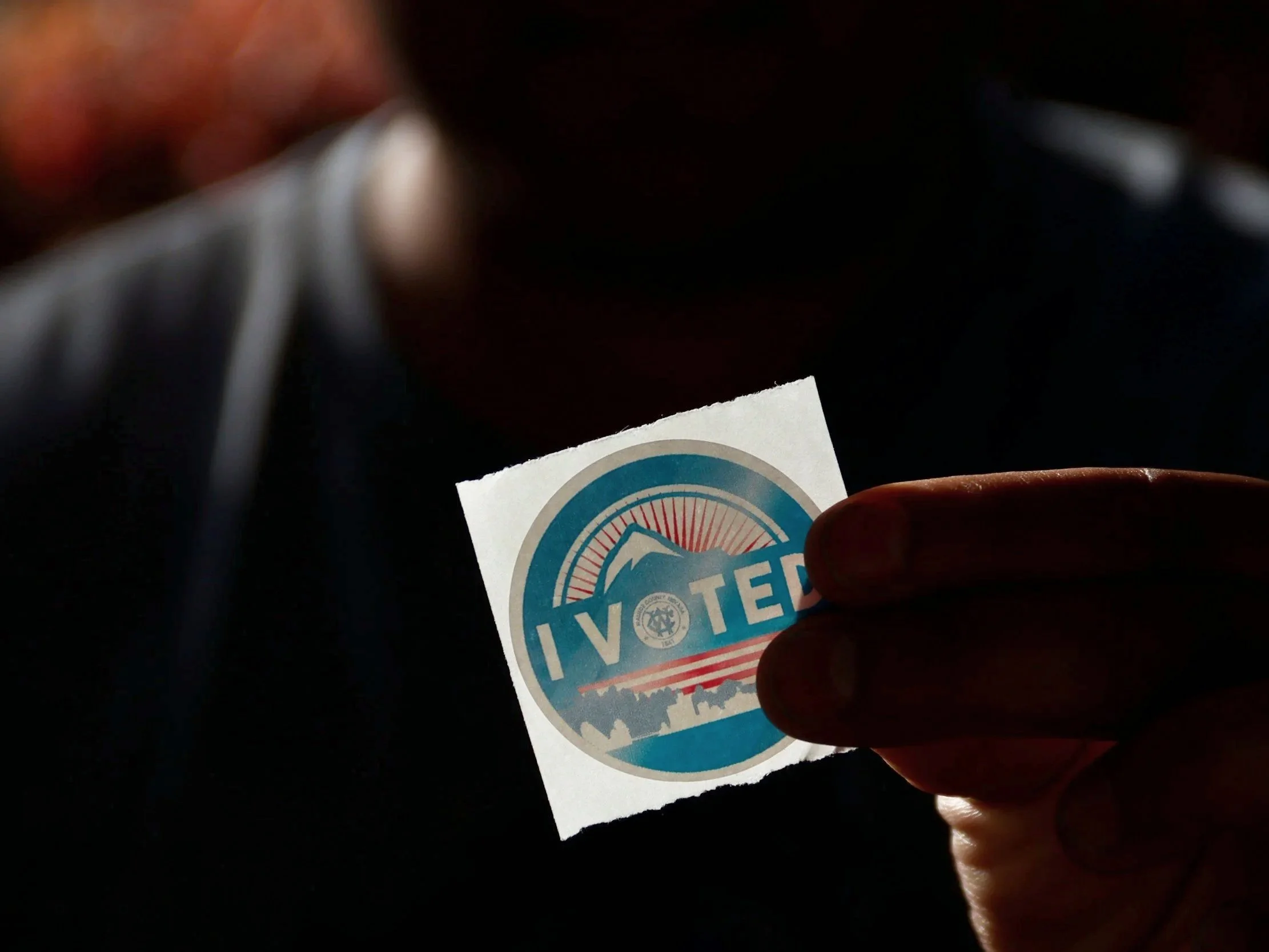
Nevada Voter Rolls Grow by 14K in October – Nonpartisans Surge to 37% of Electorate
Nevada gained 14,288 active voters in October, reaching 2,129,632 total. Nonpartisans drove the growth with a 12,733 increase and now make up 37 percent of the electorate, surpassing both Republicans and Democrats. Republicans grew by 1,306 and hold a narrow edge over Democrats, who added just 411. The rise of unaffiliated voters continues to dominate registration trends in the state.

Approx. 650,000 immigrants call Nevada home, far above national average
New U.S. Census data shows Nevada’s foreign-born population has reached about 650,000, or nearly 20% of the state’s residents—up slightly from 19% in 2014 and well above the current national average of 14.8%.

Nevada Graduation Rates Climb for Class of 2025
Nevada's high school graduation rate rose for the Class of 2025, with Career and Technical Education students leading the way, supported by recent funding boosts. The latest school performance data shows improvement, though concerns remain about low academic standards and graduates' basic skills. Despite progress, Nevada lags in adult literacy rankings.

No Tax on Tips explained
No Tax on Tips lets Nevada’s tipped workers, over 5% of the state’s workforce, exclude up to $25,000 in reported tips from federal income tax under the One Big Beautiful Tax Cut Bill, effective 2025 through 2028. The Treasury’s new guidance confirms the “above the line deduction” and could add $250 million to Nevada’s economy.

After Federal Shutdown Cut Food Aid for 15.5% of Nevadans, Legislature Passes Emergency Backup Plan
Nevada hit a record 15.5% SNAP participation in 2024. A 43-day federal shutdown cut off benefits, leading Gov. Lombardo to release $38.8 million in emergency aid and the Legislature to unanimously pass a bill creating a state-funded backup program for future disruptions.

Nevada’s Top News Outlets Shaping the Nevada’s Politics
Nevada’s political media landscape is small, dominated by just a few key outlets spanning print, broadcast, and digital platforms. The Las Vegas Review-Journal, Reno Gazette-Journal, 8 News Now, The Nevada Independent, and Nevada Public Radio form the core, delivering the state’s most comprehensive coverage of politics and policy. As the 2026 elections near, these sources remain essential for tracking campaigns, legislation, and statewide issues.